 Kit Verandas
 My custom quote
 Confirm my order
 Our customer projects
 Our price guides
 Installation guides
 Your testimonials
 CliKIT on TV
 Entry Airlock

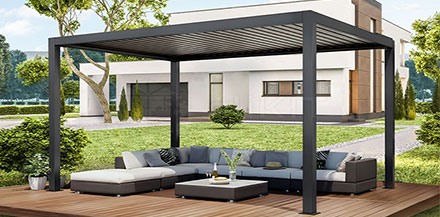
 Pergolas
 Our blog articles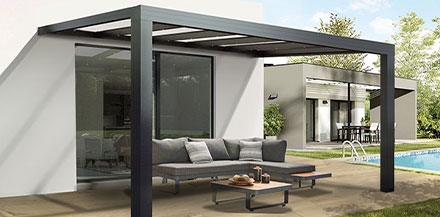
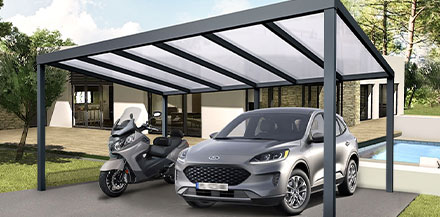
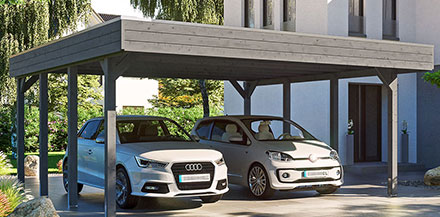
 Carports
 Awnings & Covers
 Glass Curtains
 Skylight
 Who are we?
 Free delivery
 Secure payment
 My custom quote
 Confirm my order
 Our customer projects
 Our price guides
 Our blog articles
 Installation guides
 Your testimonials
 CliKIT on TV
What is the ideal height for a pergola?
With a wall-mounted or freestanding pergola, the structure is the number one argument for enjoying your outdoor space and treating yourself to a charming, harmonious and pleasant setting. That said, it is necessary to select the right pergola height. This is all the more true with the custom-made solution offered by CliKIT. What if the ideal pergola height was the one that perfectly suited your home?
Why is the height of the pergola important?
Unless you want to spoil your outdoor space, force yourself into avoidable compromises and even require additional administrative permits, you have every reason to carefully consider the height of your future pergola.
No problem — CliKIT is here for you with information and recommendations that should help you determine the ideal height for your pergola. So, at how many metres should the roof of the pergola be placed, and above all, why is it so important to think about this data in advance?
First and foremost, it is all a matter of aesthetics. It will not be possible when it is mounted against the wall of the house, but it is hard to imagine a freestanding wood or aluminium pergola exceeding the height of the walls. That would be a style mistake which, on top of everything, would bring other problems.
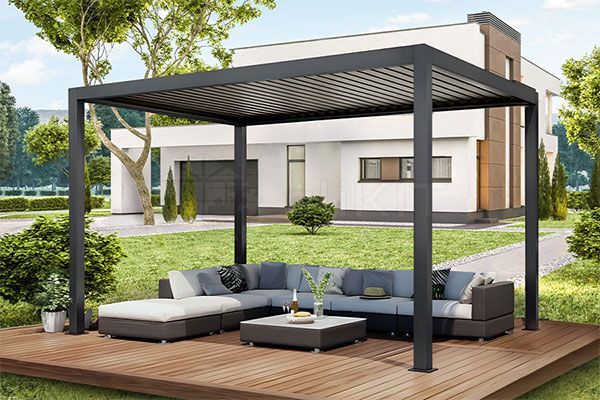
Among them, comfort. And this, whether the pergola is too high or too low. Moreover, a pergola at the wrong height will have a very significant impact on the shade and ventilation beneath the structure. This would be a serious mistake when choosing a bioclimatic pergola for its adjustable louvres and its ability to provide perfectly adapted shelter depending on the season.
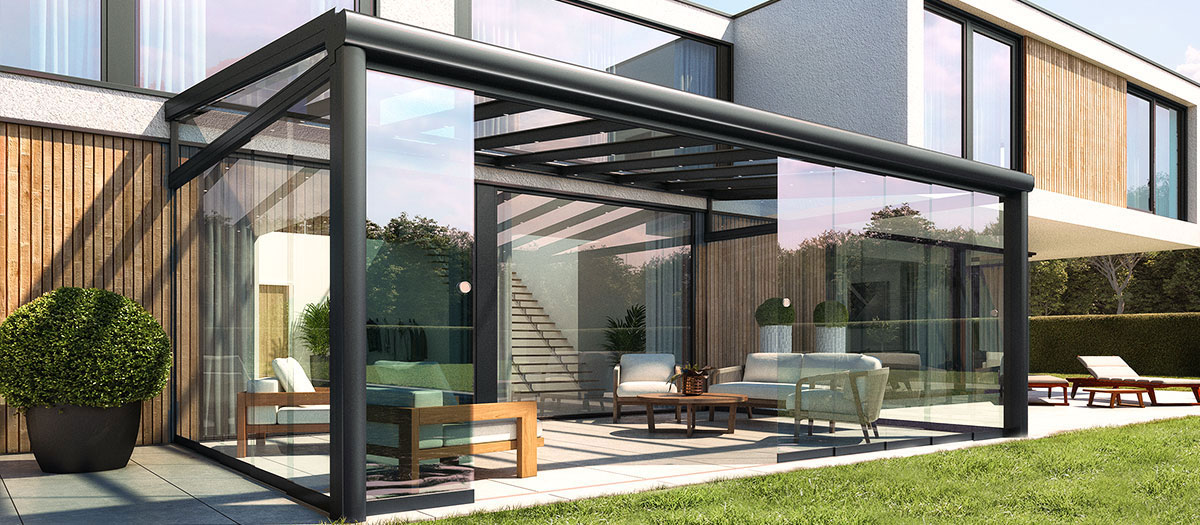
There is therefore a so-called standard height that can be adjusted by a few centimetres to align under a gutter or to match the same dimensions as a structure already present around the house.
What is the standard height for a pergola?
As is the case with the custom-made, kit-form pergolas offered by CliKIT, the standard height of a pergola often varies depending on the configuration selected. It is estimated that the height in metres of a pergola must at a minimum exceed one of the other two dimensions of the structure (the length or the width).
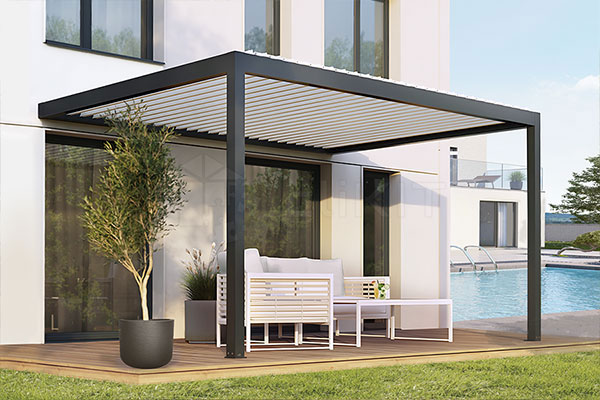
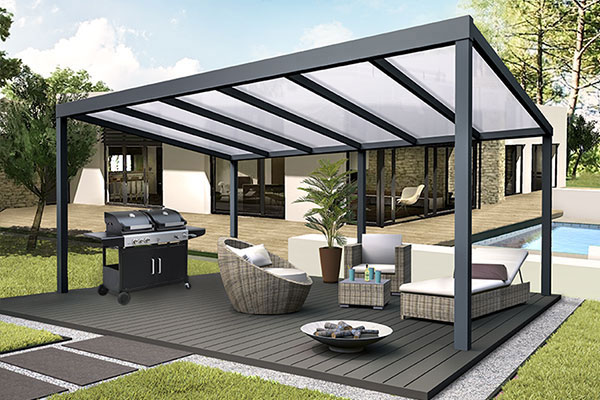
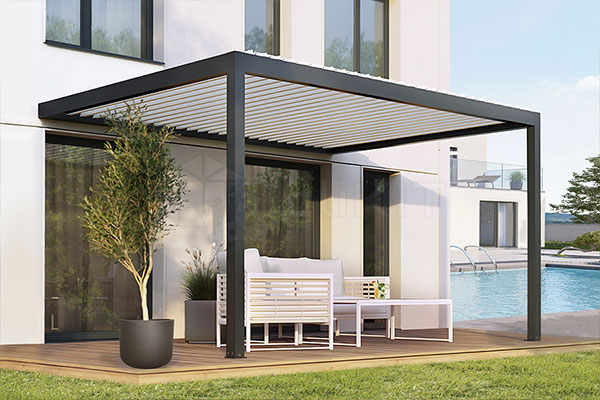
On the market, pergolas often range between two metres and four metres in height. In our view, and while adapting to the dimensions of the location where you wish to install this product, the standard height of a pergola is set with a roof at 2.5 metres from the ground. In the case of a bioclimatic pergola, the adjustable louvres used to create shade, airflow or protection increase this height by a few centimetres.
It should also be noted that pergolas with sloped roofs also exist when they are mounted against the house. In that case, the minimum height should be two metres, similar to the kit verandas that CliKIT also offers.
What factors influence the ideal height of your pergola?
The height of a pergola must absolutely not be underestimated or considered as a trivial factor. The roof height will make a significant difference to the management of rain, sun and consequently, the comfort of life beneath the structure.
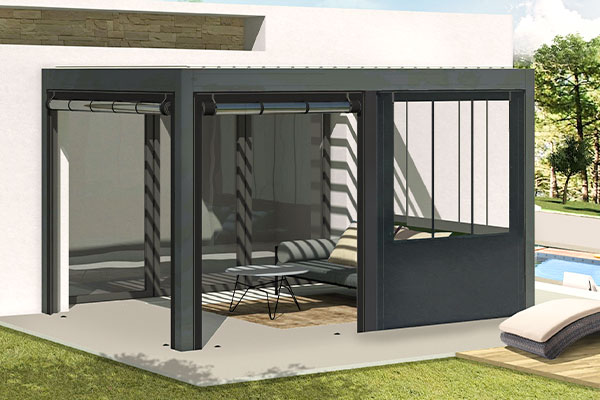 Closing Tarpaulin for Pergola
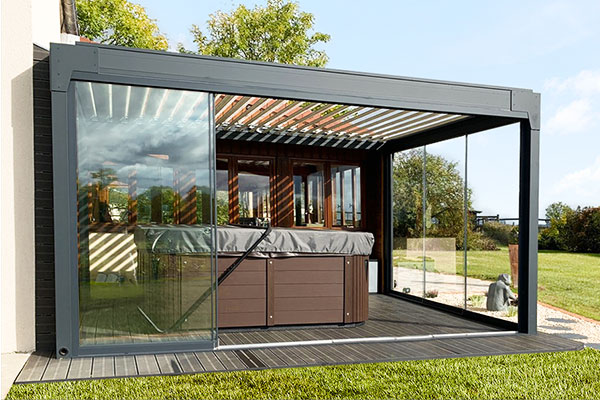 Glass Curtains for Pergola
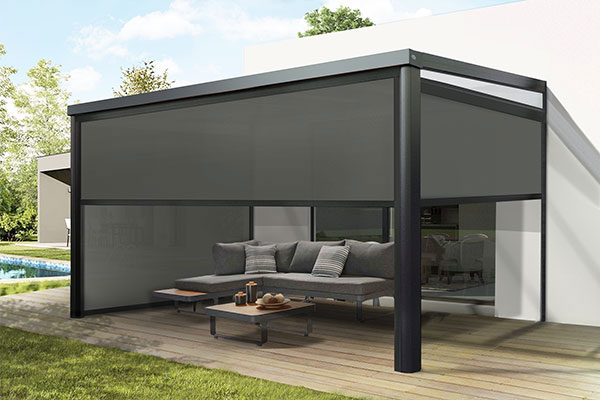 Manual or Motorised Awning for Pergola
The same applies if you wish to add accessories to your pergola to enhance the experience and make the most of all the advantages of such an aluminium structure. If there is no need to modify the standard height of the selected product, you have absolutely no reason to do so! The pergola side panels, the pergola awnings and the shade sails will in all cases adapt to your structure, regardless of its height, length or width, which is one of the great strengths of CliKIT products.
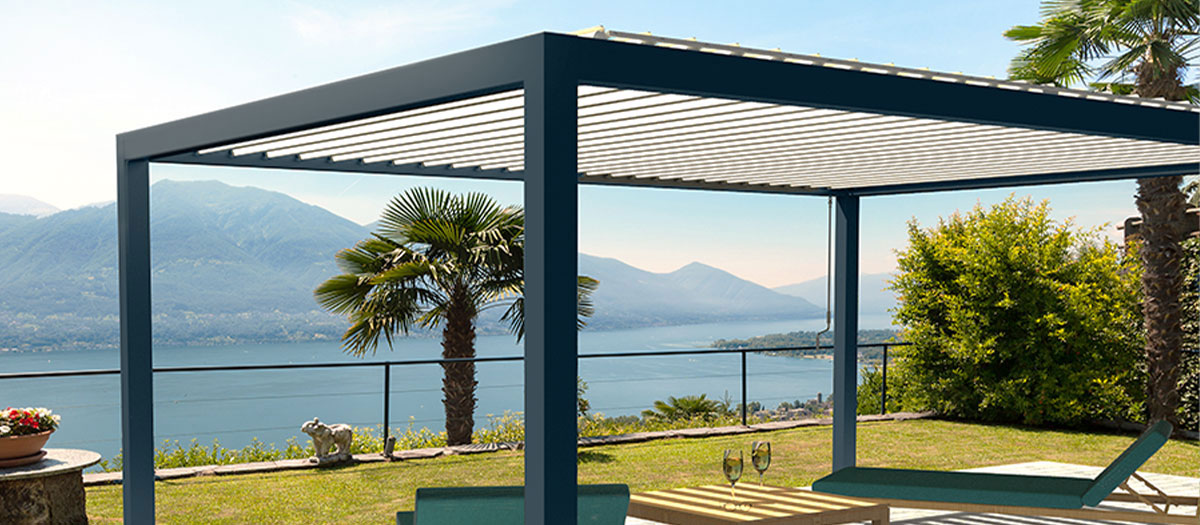
The last point to take into account is the geographical factor. Designed to withstand the most severe weather conditions, aluminium pergolas remain major wind-catchers and, above all, structures subject to significant sun or rain exposure. Depending on the region, it can be worthwhile to harmonise the pergola with the house or garage — depending on the desired placement — in order to prevent noise and other consequences of bad weather from affecting your comfort.
What are the common mistakes to avoid
As just mentioned, ignoring local weather conditions can be seen as a mistake when choosing the height of your pergola.
It is also consistently recommended to select a lower structure and roof height when the pergola is freestanding, as opposed to a space mounted against the wall of the house.
One of the great advantages of a pergola is the life within it. You will add furniture, perhaps a spa, a sheltered dining area and other leisure items. Do not underestimate the future installation and the layout you are planning.
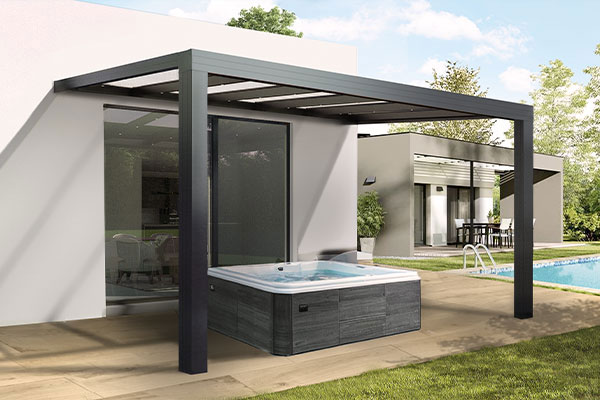
For example, a hanging chair will need sufficient headroom to fit harmoniously within the space, and the same applies to plants and other planned additions. To put it simply, you should never compromise on the harmony between the house, the furniture, the garden and the pergola. The undeniable charm of such a construction must be preserved, and that comes down to a carefully chosen height.
Share this content

 View profile